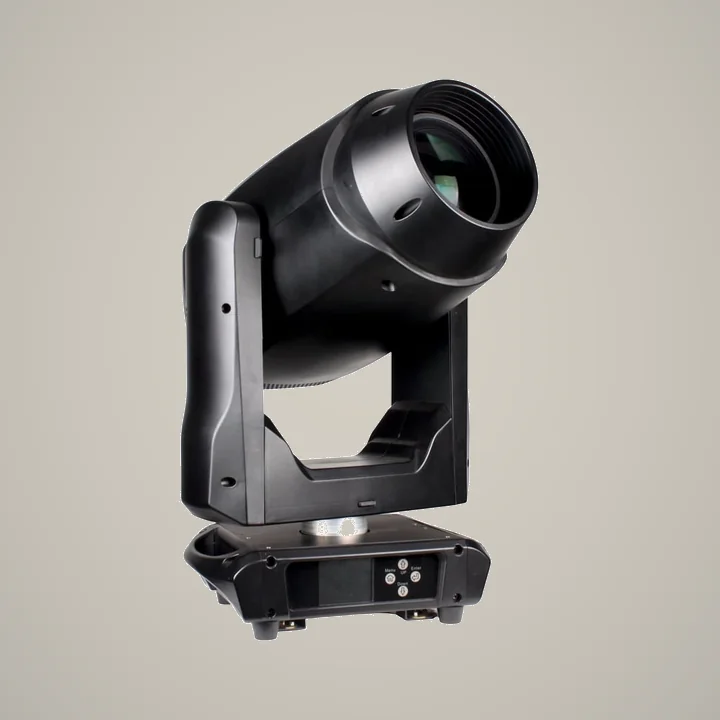
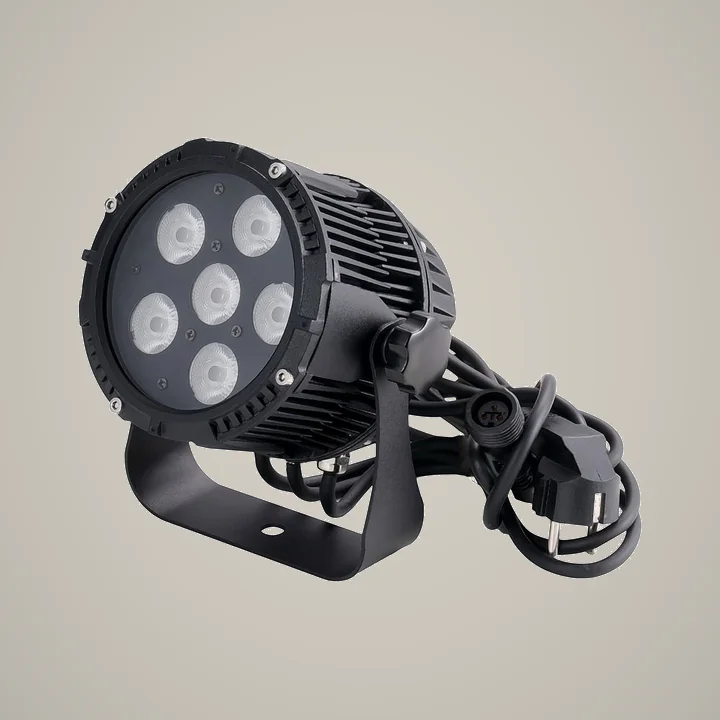
Start with the project requirement
Review actual inquiries and lost jobs, then define a small number of fixture roles. Score candidates on demand fit, optical capability, environment, control libraries, handling, cases, spare parts and supplier response.
Information to collect before selection
A useful comparison begins with site facts and an approved product record. Capture the visual objective, operating environment, available positions, throw distances, control infrastructure, power and rigging constraints, access for service, delivery timing and the consequence of a fixture being unavailable.
- Standardize modes and software versions across the fleet.
- Check case density, truck space and crew handling.
- Evaluate turnaround cleaning and common repair access.
- Plan spares, parts and documentation before the first rental.
Ask suppliers to identify which values are confirmed for the offered production version. Where a value is pending, treat it as an open item rather than filling the gap with a brochure claim from a different model.
Compare options by function
Use a comparison table tied to the actual job. Weight each criterion according to project risk instead of giving every brochure feature equal importance.
| Option or factor | Engineering meaning | Typical decision use |
|---|---|---|
| Core workhorse | High utilization across common shows | Fleet depth and consistency |
| Specialist fixture | Distinctive function for specific briefs | Smaller quantity with clear demand |
| Outdoor platform | Weather exposure capability | Requires matching distribution and procedures |
Shortlist decisions should be reviewed with the people who will program, install and maintain the system. Their workflow can reveal costs and failure modes that are invisible in a feature-only comparison.
Verification and commissioning
Before purchase approval, request the current data sheet, control chart, dimensional and weight information, electrical requirements and the documents relevant to the destination market. For project-critical features, evaluate a production-representative sample under realistic conditions.
- Confirm model identity and production version.
- Test the required functions across the selected control mode.
- Inspect physical interfaces, accessories and service access.
- Record acceptance criteria and results.
- Update the as-built schedule after commissioning.
Commissioning is not only a power-on check. It should confirm addressing, movement, optics, color, dimming, safety attachment, network behavior and the handover documents needed by operators and service teams.
Common mistake to avoid
Buying one of every interesting model increases training, spares and programming overhead. A coherent fleet can deliver higher availability even with fewer product types.
Building a purchase specification
For a rental moving head selection purchase, state the application, environment, mounting and control conditions first. Then list required performance, documentation, accessories, inspection, packing, spares and support. Separate mandatory requirements from preferences so suppliers can answer clearly and alternatives can be evaluated fairly.
The resulting document should be usable by procurement and by the team receiving the equipment. Include a process for questions and deviations, name the approved reference documents and prevent unreviewed changes after sample acceptance.
Site survey and design coordination
A site survey should convert the creative brief into constraints that can be checked. Record dimensions, mounting points, obstructions, viewing directions, cable routes, equipment access, ambient conditions and the teams sharing the same structure. Photographs are useful, but a marked plan with measured distances is the stronger engineering record.
Coordinate lighting with rigging, electrical, network, audio, video, scenic and venue teams before freezing equipment. A change in trim height, screen position or power location can alter optics, cable lengths and service access. Identify these interfaces in the schedule so responsibility is clear and late changes receive technical review.
Evaluate samples and supplier evidence
A sample review should reproduce the decision conditions, not simply demonstrate that the fixture powers on. Use the selected control personality, representative throw, expected surface or performer, and the accessories included in the offer. Record configuration and test observations so a later production unit can be compared with the approved sample.
Supplier evidence should identify the model and revision it covers. Product sheets, control charts, declarations, test reports, drawings and packing information serve different purposes; one document does not replace the others. Ask how engineering changes are communicated and how production remains aligned with the approved construction.
- Photograph the approved sample and its labels.
- Archive the data sheet and control chart used during review.
- List deviations and the written disposition for each one.
- Define which tests are repeated during production inspection.
Plan total project cost without a fake unit price
Public fixture price alone is a poor engineering comparison, and this guide does not invent one. Request a project quotation for the exact specification and quantity. Then compare cases, clamps, safety devices, cables, distribution, control nodes, freight, duties, commissioning, spares, training and expected service work alongside the equipment line.
A lower purchase price can create higher project cost if it requires more units, extra distribution, difficult transport or frequent service. Conversely, an advanced feature has no value if the production never uses it. Connect each cost to a requirement, risk reduction or operating benefit and document the assumed project period.
| Cost group | Questions to ask | Evidence |
|---|---|---|
| Acquisition | What is included in the quoted configuration? | Itemized quotation and approved specification |
| Deployment | What rigging, power, control and labor are required? | System drawing and method statement |
| Operation | What maintenance, spares and support are expected? | Service plan and parts list |
Handover and operating discipline
Handover should leave the operator with an as-built plot, patch, addressing record, approved control files, manuals, inspection results and supplier contacts. Labeling in the physical installation must match these records. If a technician cannot identify a unit, circuit or data path from the documents, troubleshooting time will increase during an event.
Create routine checks appropriate to the application. Rental equipment needs turnaround inspection and a fault history; permanent installations need access, cleaning and periodic function checks; outdoor systems need seal and connector inspection. Record recurring symptoms so the team can distinguish isolated damage from a fleet or design issue.
Train users on normal operation, limits and escalation. The most useful training is task-based: startup, shutdown, patch verification, safe reset, fault isolation and the point at which the fixture should be removed from service. Keep unapproved repairs and configuration changes out of the show workflow.
A practical approval gate
Before releasing the order, hold a short cross-functional review. Procurement confirms commercial scope; the designer confirms application fit; technical staff confirm power, data and rigging interfaces; service staff confirm access and parts; logistics confirms packing and delivery. Open items receive an owner and due date instead of being hidden in general notes.
Approval should reference a model, revision, documents and sample status. If any of those change, review the affected requirements again. This simple gate protects the project from well-intended substitutions and makes the supplier conversation faster because acceptance is based on written evidence rather than memory.
FAQ
Should rental companies always choose the most feature-rich mode?
No. A simpler standardized mode can reduce programming errors and improve turnaround when advanced parameters are not required.
What should be confirmed with the manufacturer before ordering?
Confirm the current specification, production version, required documents, accessories, control data, acceptance criteria, delivery scope and after-sales support in writing.